This week is children’s mental health week, and I can’t think of a time it’s ever been more poignant. We’re currently shut in together 24/7 - we’re working at home, we’re schooling at home, we’re playing at home, we’re relaxing at home and more often than not, we’re arguing at home.
I’ve heard people joke ‘at least we’re having more quality time together’, but this begs the question - what is quality time? Do you find yourself heading towards the end of your already rather frayed rope with the 15th “Muuuum….” of the day? Are you clock watching during that board game because your Zoom work call starts soon?
And do you both get to the end of the day with your child feeling like they’ve not really had your attention at all, and with you adding another couple of bricks to the ‘guilt’ bag?
We all carry one around with us - ‘I should have listened more’, ‘I shouldn’t have stuck them in front of the tv for so long’, ‘I shouldn’t have snapped at them’. Each thought a heavy brick in that bag of guilt you carry around all day every day.
PUT THE BAG DOWN.
Yes you heard, it’s not doing you any good - we’ve got enough to be dealing with at the moment. There is a simple way to ensure your child is getting what they need from you, and it only takes 15 minutes.
Many of us interact with our children often throughout the day, but how much of that time is uninterrupted and focused solely on the relationship between parent/child? How much of that time is spent in multi-tasking in our busy world?
Every day, make a promise to your child that you will give them 15 minutes. These aren’t just any minutes, they’re 15 magic minutes where they can rely on the fact that your phone will be put away, the tv will be off, no distractions and no interruptions - one on one time that’s just for you and them.
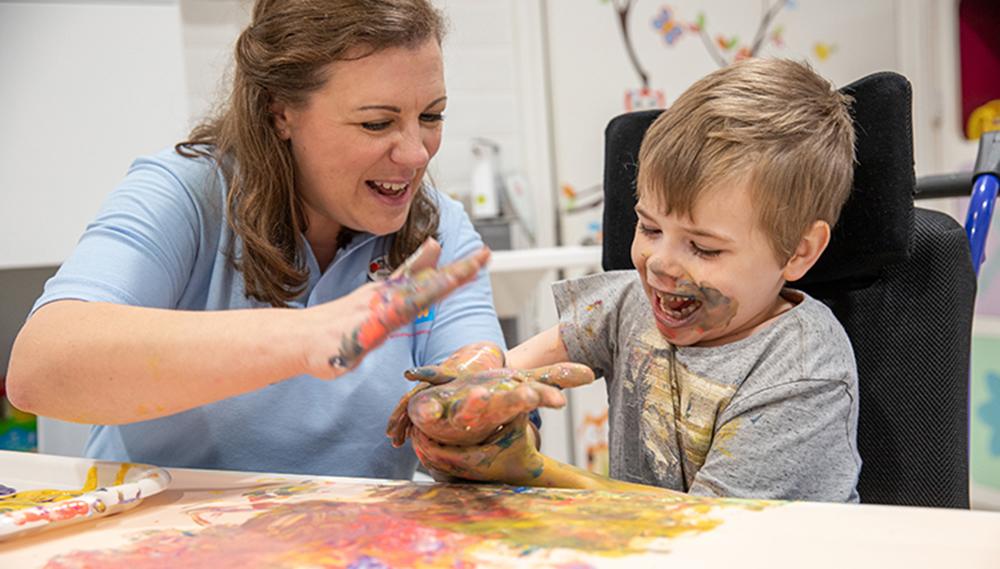
It doesn’t sound a lot does it? But engaging in 15 minutes of mindful, focussed play with your child brings demonstrable physical and neurological benefits for both of you. When we connect with our children, in an authentic and meaningful manner, our emotional right brain is reaching out and connecting with their emotional right brain. This supports the development of healthy attachment and creates foundations for positive mental health as they grow and develop.
Of course you’re more than welcome to spend more if you have it, the main point here is the quality of the time. When we are burning out, but still force ourselves to spend time with our children, that can actually be bad for them.
No matter how fraught your interactions are throughout the day, your child can bank on this 15 minutes of undivided attention, and it will surprise you what they store up to tell you in those precious moments.
Here are just some simple ideas of how you can spend it:
- Colouring - children tend to talk more when you’re sat side by side focussing on something together
- Read a story together
- Play a board game
- Sit down with them and ask about the video game they’re playing or what they like about the tv programme they’re watching
- Simply have a chat about their worries or fears
Obviously there will be days when you have oodles of time to play and interact, but for those days that you don’t – take the stress off yourself, 15 minutes of quality time that connects you both is better than two weary folk who’ve just battled their way through yet another day.
At the beginning of the day, your child knows that amid the “please just do your school work” and “not now I’m working” times, there will be those magic minutes to look forward to.
And at the end of the day, no matter how fractious, busy, and hard things have been, you know you have both laughed and talked and enjoyed yourself and have been able to put that bag of guilt down.
Win win I say!
We hope this helps, for more resources on children’s mental health please visit: www.childrensmentalhealthweek.org.uk